

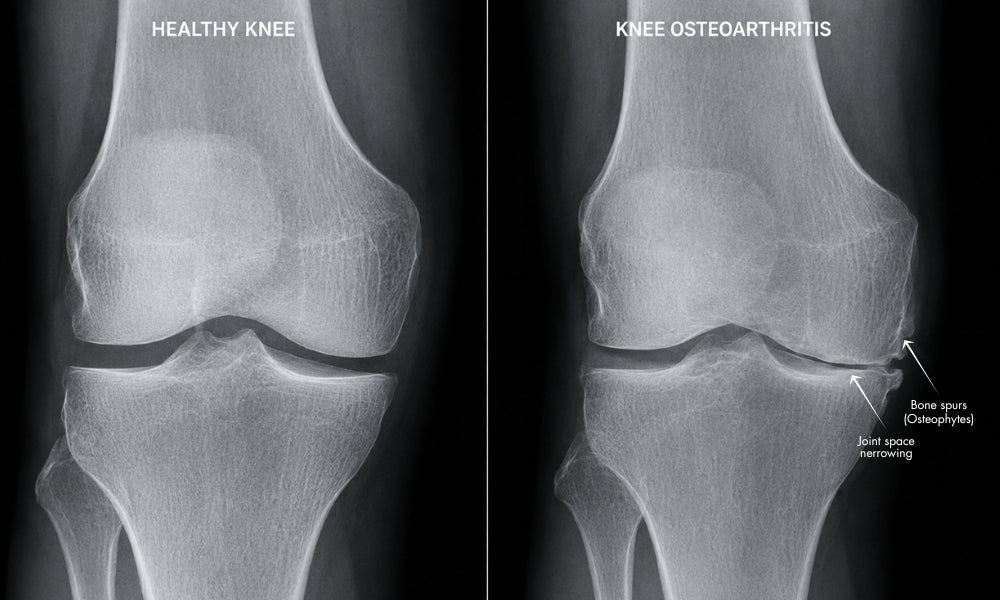
Introduction
Knee arthritis is one of the most common joint conditions affecting adults worldwide, causing pain, stiffness, and reduced mobility that can interfere with everyday activities like walking, climbing stairs, or simply standing up from a chair. This guide covers everything you need to know about knee arthritis, including its symptoms, causes, treatment options, and practical ways to manage pain.
What Is Knee Arthritis?
Knee arthritis refers to inflammation and degeneration of the knee joint, leading to pain, swelling, and stiffness. The knee is one of the largest, most complex joints in the body, bearing significant weight during daily movement, which makes it particularly vulnerable to wear and tear.
There are several types of knee arthritis, but the most common include:
Osteoarthritis (OA):
The most prevalent form, caused by gradual breakdown of the cartilage that cushions the knee joint, typically developing with age or repetitive stress.
Rheumatoid Arthritis (RA):
An autoimmune condition where the immune system mistakenly attacks the joint lining, causing chronic inflammation.
Post-Traumatic Arthritis:
Develops after a knee injury, such as a fracture or ligament tear, sometimes appearing years after the original trauma.
Psoriatic Arthritis:
Associated with the skin condition psoriasis, this type can also affect the knee joints.
Common Symptoms of Knee Arthritis
Recognizing the early signs of knee arthritis can help you seek treatment before the condition worsens. Common symptoms include:
· Joint pain That worsens with activity and improves with rest.
· Stiffness especially in the morning or after inactivity.
· Swelling around the knee joint due to inflammation.
· Reduced range of motion making it difficult to fully bend or straighten the knee.
· A grinding or crackling sensation crepitus when moving the knee.
· Warmth and tenderness around the joint.
· Weakness or instability which can increase the risk of falls.
· Bone spurs, felt as hard lumps around the joint in advanced cases.
Symptoms often develop gradually and may fluctuate depending on activity level, weather, or overall health.
What Causes Knee Arthritis
Several factors contribute to the development of knee arthritis and understanding these can help with both prevention and management.
Age:
The risk of osteoarthritis increases with age as cartilage naturally wears down over decades of use.
Genetics:
A family history of arthritis can increase your likelihood of developing the condition, as genetic factors influence cartilage strength and joint structure.
Previous Injuries:
Ligament tears, meniscus injuries, or fractures can damage the knee joint and accelerate cartilage breakdown, leading to post-traumatic arthritis later in life.
Obesity and Excess Weight:
Carrying extra body weight places additional stress on the knee joints, significantly increasing wear on cartilage during walking and climbing stairs.
Repetitive Stress:
Occupations or activities involving repetitive kneeling, squatting, or heavy lifting can contribute to joint degeneration over time.
Autoimmune Conditions:
In rheumatoid arthritis and related conditions, the immune system attacks healthy joint tissue, causing chronic inflammation and cartilage damage.
Bone Deformities or Misalignment:
Structural issues, such as bowed legs or unevenly distributed weight across the knee, can lead to uneven cartilage wear.
Gender:
Women, particularly after menopause, are more likely to develop knee osteoarthritis than men, possibly due to hormonal changes affecting joint health.
When to Consult a Healthcare Professional?
If you suspect you have knee arthritis, don't wait for the pain to become unbearable before seeking medical advice. Early diagnosis can help slow joint damage and preserve mobility. Consult a healthcare professional if you experience:
· Persistent knee pain that lasts more than a few weeks or worsens over time.
· Swelling or warmth around the knee joint that doesn't subside with rest.
· Stiffness especially in the morning or after sitting for long periods.
· A grinding, clicking, or popping sensation when bending or straightening the knee.
· Reduced range of motion making it difficult to fully bend or straighten the leg.
· Difficulty with daily activities like climbing stairs, walking, or standing up from a seated position.
· Knee instability or a feeling that the joint may "give way".
· Pain that disrupts sleep or persists even at rest.
· Visible joint deformity or a noticeable change in the shape of the knee
If any of these symptoms sound familiar, scheduling an appointment with an orthopaedic specialist or rheumatologist can help you get an accurate diagnosis and start an effective treatment plan before the condition progresses further.
Ways to Manage Knee Arthritis Pain at Home
Beyond medical treatment, several lifestyle strategies can help manage day-to-day knee arthritis pain and improve quality of life.
Stay Active with Low-Impact Exercise:
Regular movement helps maintain joint flexibility and strengthens supporting muscles. Good options include swimming, cycling, walking, and water aerobics.
Maintain Healthy Weight:
Even modest weight loss can noticeably reduce knee pain by decreasing the load placed on the joint with every step.
Eat an Anti-Inflammatory Diet:
Foods rich in omega-3 fatty acids, antioxidants, and Fiber—such as fatty fish, leafy greens, berries, and nuts may help reduce inflammation.
Strengthen Surrounding Muscles:
Building strength in the quadriceps, hamstrings, and calves helps stabilize the knee joint and reduces strain on the cartilage.
Practice Good Posture and Body Mechanics:
Avoid activities that place excessive strain on the knees, such as deep squatting or prolonged kneeling.
Use Supportive Footwear:
Shoes with good cushioning and arch support help absorb shock and reduce impact on the knees while walking.
Try Mind-Body Techniques:
Practices like yoga and tai chi combine gentle movement with stretching and balance training to improve joint function.
Get Adequate Rest:
Allowing time for rest and recovery prevents overuse and gives inflamed joints a chance to heal.
Consider Supplements:
Some people find relief with glucosamine, chondroitin, or turmeric, though it's best to discuss these with a healthcare provider first.
When to See a Doctor
While mild knee discomfort can often be managed at home, consult a healthcare provider if you experience persistent pain lasting more than a few weeks, significant swelling or redness, difficulty bearing weight, visible joint deformity, pain that disrupts sleep, or symptoms that worsen despite home treatment. Early diagnosis and intervention can help slow disease progression and prevent further joint damage.
Frequently Asked Questions
1. Can knee arthritis be reversed?
Cartilage damage cannot be fully reversed, but treatment can effectively manage symptoms, slow progression, and improve joint function.
2. Is walking good for knee arthritis?
Yes, walking generally helps maintain joint mobility and muscle strength, though it should be balanced with rest and low-impact cross-training.
3. What foods should be avoided with knee arthritis?
Processed foods, excessive sugar, refined carbohydrates, and foods high in saturated fats may worsen inflammation and should be limited.
4. At what age does knee arthritis usually begin?
While it can occur at any age due to injury, osteoarthritis most commonly develops in individuals over 50.
5. Can knee pain be prevented?
Yes. Regular exercise, muscle strengthening, proper technique, gradual activity progression, and a healthy lifestyle may help reduce the risk.
Healthcare Disclaimer:
This article is intended for educational and informational purposes only and should not be considered a substitute for professional medical advice, diagnosis, or treatment. Individuals experiencing persistent, worsening, or unexplained symptoms should consult a qualified healthcare professional for personalised evaluation and management. People living with chronic conditions such as diabetes should follow the advice of their healthcare provider regarding foot care and routine screening.


 Ask Our Experts
 Live Video Shopping
 Shop on call
