

Introduction
Our feet are among the most remarkable yet overlooked structures in the human body. They support our body weight, absorb impact, maintain balance, and enable movement throughout our daily lives. Whether walking, climbing stairs, exercising, or simply standing, healthy feet play a critical role in maintaining independence and overall quality of life.
Despite their importance, foot health is often neglected until discomfort begins to interfere with everyday activities. Many people accept aching feet, heel pain, swelling, or stiffness as inevitable consequences of ageing or long working hours. However, persistent foot symptoms should not be ignored, as they may indicate underlying conditions that benefit from timely intervention.
Maintaining healthy feet extends beyond comfort. Proper foot care can help preserve mobility, prevent complications, and support musculoskeletal health throughout life. Understanding common foot problems, recognising warning signs, and adopting preventive strategies are essential steps towards lifelong foot health.
Why Is Foot Health Important?
Each foot contains:
· 26 bones
· 33 joints
· More than 100 muscles, tendons, and ligaments
These structures work together to:
· Support body weight
· Absorb shock during movement
· Adapt to different surfaces
· Maintain balance
· Propel the body forward during walking and running
Because the feet serve as the foundation of movement, problems affecting them can influence posture, walking patterns, and even contribute to discomfort in the ankles, knees, hips, and lower back.
Protecting foot health is therefore an important component of overall well-being.
Common Foot Problems
Several conditions can affect foot function and comfort.
Heel Pain
Heel pain is among the most common reasons individuals seek medical advice for foot-related concerns. It may be associated with inflammation or excessive strain affecting the tissues around the heel.
Corns and Calluses
These thickened areas of skin typically develop due to repeated friction or pressure, often resulting from poorly fitting footwear.
Bunions
A bunion is a bony prominence that forms at the base of the big toe, leading to discomfort and changes in foot alignment.
Arch Pain
Discomfort affecting the arch of the foot may occur following prolonged standing, increased physical activity, or biomechanical abnormalities.
Swelling
Swelling may develop after long periods of standing but can occasionally indicate underlying medical conditions.
Nail and Skin Problems
Ingrown toenails, fungal infections, cracked heels, and skin irritation are common foot concerns.
Causes and Risk Factors
Several factors may contribute to foot problems.
Ill-Fitting Footwear
Shoes that lack support, cushioning, or adequate toe space may increase stress on the feet.
Prolonged Standing
Occupations involving extended periods on one’s feet can contribute to fatigue and overuse symptoms.
Higher-risk occupations include:
· Teachers
· Healthcare workers
· Retail staff
· Hospitality professionals
· Factory employees
Excess Body Weight
Additional weight increases pressure on the feet and may accelerate wear and tear.
High-Impact Activities
Running, jumping, and repetitive sporting activities may place increased demands on foot structures.
Ageing
Age-related changes may affect joint flexibility, skin health, circulation, and soft tissue resilience.
Medical Conditions
Certain conditions may influence foot health, including:
· Diabetes
· Arthritis
· Circulatory disorders
· Neurological conditions
Structural Variations
Flat feet, high arches, or abnormal walking patterns may alter weight distribution across the feet.
Signs and Symptoms of Foot Problems
While occasional tiredness after an active day is common, persistent symptoms warrant attention.
Signs and symptoms may include:
Persistent Foot Pain
Pain affecting the heel, arch, toes, or ball of the foot should not be ignored.
Swelling
Unexplained or recurring swelling may indicate inflammation or circulatory concerns.
Stiffness
Reduced flexibility can interfere with walking and daily activities.
Numbness or Tingling
These sensations may suggest nerve involvement or impaired circulation.
Skin Changes
Blisters, redness, cracks, ulcers, or discolouration require assessment, particularly in individuals with diabetes.
Difficulty Walking
Changes in gait or difficulty bearing weight may signal underlying pathology.
When Should You See a Doctor?
Medical evaluation is advisable if symptoms persist despite self-care measures.
Consult a healthcare professional if you experience:
· Foot pain lasting longer than one to two weeks
· Increasing swelling
· Difficulty walking or bearing weight
· Recurrent injuries
· Persistent numbness or tingling
· Open wounds or ulcers
· Signs of infection such as redness or warmth
· Sudden changes in foot shape
Individuals living with diabetes should promptly seek medical advice for any cuts, blisters, or changes affecting the feet.
Diagnosis and Evaluation
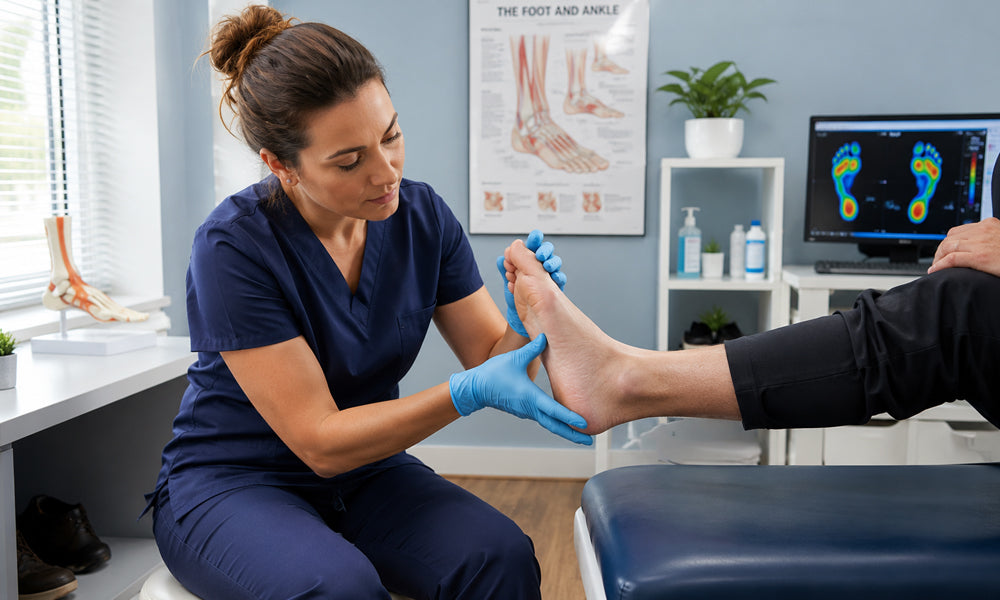
Healthcare professionals diagnose foot conditions through a combination of history-taking and physical examination.
Medical History
Questions may include:
· Nature and duration of symptoms
· Occupation and activity levels
· Previous injuries
· Existing medical conditions
· Footwear habits
Physical Examination
Assessment may involve:
· Observation of foot alignment
· Examination of the skin and nails
· Identification of tender areas
· Evaluation of mobility
· Gait analysis
Imaging Studies
When necessary, investigations may include:
· X-rays
· Ultrasound scans
· MRI studies
Specialised Testing
Individuals with diabetes may require vascular and neurological assessments.
Treatment and Management Options
Treatment depends on the underlying cause of symptoms.
Appropriate Footwear
Selecting supportive footwear remains one of the most effective strategies for maintaining foot comfort.
Well-fitting shoes should:
· Provide cushioning
· Support the arches
· Accommodate toe movement
· Match the intended activity
Activity Modification
Reducing aggravating activities temporarily may support recovery.
Therapeutic Exercises
Exercises may help improve strength, flexibility, and foot function.
Examples include:
· Calf stretches
· Toe strengthening exercises
· Arch mobility exercises
Weight Management
Maintaining a healthy body weight may reduce stress on the feet.
Physiotherapy
Rehabilitation programmes can address movement patterns and functional limitations.
Symptom Management
Healthcare professionals may recommend:
· Cold therapy for acute discomfort
· Heat therapy for stiffness
· Temporary activity modifications
· Medications when clinically appropriate
Management of Underlying Conditions
Addressing associated medical conditions is essential for long-term outcomes.
Prevention Tips for Healthy Feet
Many foot problems may be prevented through simple daily habits.
Choose Comfortable Footwear
Prioritise support and fit over fashion alone.
Inspect Your Feet Regularly
Examine your feet for cuts, blisters, swelling, or colour changes.
Maintain Good Hygiene
Wash and dry the feet thoroughly, especially between the toes.
Stay Active
Regular movement supports circulation and musculoskeletal health.
Replace Worn-Out Shoes
Footwear loses support over time and should be replaced when necessary.
Stretch Frequently
Maintaining flexibility may reduce strain on foot structures.
Avoid Walking Barefoot in Public Areas
This helps minimise exposure to infections and injuries.
Prioritise Foot Care in Diabetes
Daily foot checks and routine medical reviews are particularly important.
Frequently Asked Questions
1. Is foot pain a normal part of ageing?
No. Persistent foot pain should not be considered a normal consequence of ageing and warrants assessment.
2. How often should shoes be replaced?
Replacement depends on usage patterns and wear. Shoes should be assessed regularly for loss of support or cushioning.
3. Can standing all day affect foot health?
Yes. Prolonged standing may contribute to fatigue, swelling, and discomfort.
4. Why do my feet hurt more in the morning?
Morning foot pain may indicate certain underlying conditions affecting the tissues of the foot and should be evaluated if persistent.
5. How can people with diabetes protect their feet?
Daily inspection, appropriate footwear, regular medical reviews, and good blood sugar control are essential.
6. When should I worry about swelling in my feet?
Persistent, unexplained, or sudden swelling should be assessed by a healthcare professional.
7. Can exercise improve foot health?
Yes. Appropriate exercises can strengthen supporting muscles and improve flexibility and function.
Healthcare Disclaimer:
This article is intended for educational and informational purposes only and should not be considered a substitute for professional medical advice, diagnosis, or treatment. Individuals experiencing persistent, worsening, or unexplained symptoms should consult a qualified healthcare professional for personalised evaluation and management. People living with chronic conditions such as diabetes should follow the advice of their healthcare provider regarding foot care and routine screening.


 Ask Our Experts
 Live Video Shopping
 Shop on call
