

Introduction
Many people experience symptoms such as leg heaviness, ankle swelling, tired legs, or discomfort after prolonged periods of standing or sitting. While these symptoms are often dismissed as part of a busy lifestyle, they may sometimes reflect changes in the way blood circulates through the veins of the lower limbs.
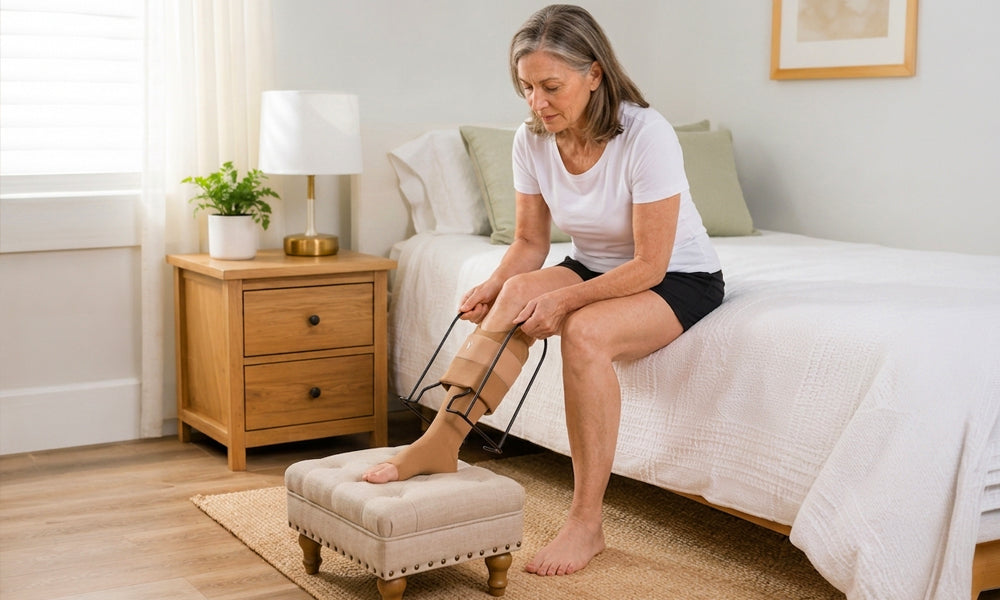
Compression stockings have been used for decades as part of the management approach for selected venous and circulatory conditions. Designed to apply graduated pressure to the legs, these specialised garments support the body’s natural circulation mechanisms and may help improve comfort in individuals experiencing certain symptoms.
Although commonly associated with older adults, compression stockings may be recommended for people across different age groups depending on their occupation, pregnancy status, travel habits, lifestyle factors, or underlying medical conditions.
Understanding how compression stockings work, when they may be beneficial, and when medical advice should be sought can help individuals make informed decisions regarding their vascular health.
What Are Compression Stockings?
Compression stockings are specially designed elastic garments that apply controlled, graduated pressure to the legs.
The compression is typically:
· Highest at the ankle
· Slightly reduced at the calf
· Further reduced higher up the leg
This graduated pressure pattern is intended to support venous return, helping blood move from the lower limbs back towards the heart.
Compression stockings are available in different styles, including:
Knee-Length Compression Stockings
These are among the most commonly used designs and primarily cover the foot, ankle, and calf.
Thigh-Length Compression Stockings
These extend above the knee and may be recommended in specific situations.
Pantyhose or Full-Length Compression Garments
These provide support throughout the lower limbs and pelvis.
Compression garments also come in varying compression levels, which should ideally be selected under professional guidance when therapeutic use is intended.
Causes and Risk Factors for Venous Problems
Several factors may contribute to symptoms associated with venous insufficiency or circulatory challenges.
Prolonged Standing
Standing for extended periods may increase pressure within the veins of the legs.
Occupations commonly affected include:
· Teachers
· Healthcare professionals
· Retail employees
· Hospitality workers
· Factory staff
Prolonged Sitting
Desk-based occupations and long-distance travel may reduce activation of the calf muscle pump, slowing venous return.
Pregnancy
Pregnancy-related hormonal changes, increased blood volume, and pressure from the growing uterus may contribute to leg swelling and venous symptoms.
Increasing Age
Ageing may influence vein elasticity and valve efficiency.
Family History
Genetic predisposition may increase susceptibility to certain venous conditions.
Excess Body Weight
Additional weight places increased pressure on the circulatory system.
Previous Venous Conditions
Individuals with a history of venous disease may be at greater risk of recurrent symptoms.
Signs and Symptoms That May Require Attention
Venous symptoms can range from mild discomfort to more significant clinical concerns.
Common symptoms include:
Leg Heaviness
Many individuals describe a sensation of tired or heavy legs, particularly at the end of the day.
Swelling Around the Ankles
Swelling that worsens with prolonged standing may indicate impaired venous return.
Aching or Throbbing
Persistent discomfort affecting the calves or lower legs may occur.
Visible Veins
Prominent or enlarged veins beneath the skin may sometimes be present.
Night-Time Leg Cramps
Some individuals report increased cramping during periods of rest.
Skin Changes
Dryness, itching, discolouration, or thickening of the skin around the ankles should not be overlooked.
When Should You See a Doctor?
Medical assessment is advisable when symptoms persist or worsen over time.
Consult a healthcare professional if you experience:
· Persistent swelling affecting one or both legs
· Sudden onset of swelling or pain
· Skin ulcers or non-healing wounds
· Progressive skin discolouration
· Increasing leg discomfort interfering with daily activities
· Painful or significantly enlarged veins
· Shortness of breath associated with leg swelling
Prompt evaluation helps identify underlying causes and determine appropriate treatment strategies.
Diagnosis and Evaluation
Before initiating therapeutic compression therapy, healthcare professionals may perform a comprehensive assessment.
Medical History
Questions may focus on:
· Nature and duration of symptoms
· Occupational demands
· Travel history
· Pregnancy status
· Family history of venous disease
· Previous episodes of blood clots
Physical Examination
The examination may include assessment of:
· Leg swelling
· Skin integrity
· Visible veins
· Limb symmetry
· Peripheral circulation
Diagnostic Investigations
Additional testing may sometimes be necessary.
These investigations may include:
· Duplex ultrasound scanning
· Vascular assessments
· Blood investigations when clinically indicated
These evaluations help determine the suitability of compression therapy and identify alternative causes of symptoms.
How Do Compression Stockings Work?
Compression stockings support circulation through several mechanisms.
Supporting Venous Return
Graduated pressure may assist blood flow back towards the heart.
Reducing Venous Pooling
Compression may help minimise the accumulation of blood within superficial veins.
Enhancing Calf Muscle Function
The calf muscles play an important role in circulation. Compression may support their physiological pumping action.
Assisting in Swelling Management
In selected situations, compression therapy may help reduce fluid accumulation within the lower limbs.
The benefits depend on proper sizing, appropriate compression levels, and adherence to healthcare recommendations.
Treatment and Management Options
Management of venous symptoms often involves a combination of lifestyle modifications and medical interventions.
Compression Therapy
Healthcare professionals may recommend compression stockings for selected individuals based on clinical findings.
Considerations include:
· Appropriate compression strength
· Stocking length
· Duration of wear
· Individual comfort and compliance
Regular Physical Activity
Walking and low-impact exercises encourage activation of the calf muscles and support circulation.
Leg Elevation
Elevating the legs periodically during rest may facilitate venous return.
Weight Management
Maintaining a healthy body weight may reduce pressure on the lower limbs.
Avoiding Prolonged Immobility
Regular movement breaks are important during long periods of sitting or standing.
Specialist Referral
Persistent symptoms or suspected venous disease may warrant assessment by a vascular specialist.
Prevention Tips
While not all venous conditions are preventable, healthy habits can support vascular function.
Stay Physically Active
Engage in regular movement throughout the day.
Take Frequent Breaks
Avoid remaining seated or standing for prolonged periods.
Perform Simple Leg Exercises
Ankle pumps and calf contractions may promote circulation.
Elevate the Legs When Resting
Raising the legs above heart level when appropriate may help reduce swelling.
Maintain a Healthy Weight
Weight management contributes to overall vascular health.
Stay Hydrated
Adequate fluid intake supports general well-being.
Seek Early Medical Advice
Timely evaluation of symptoms may prevent progression of underlying conditions.
Frequently Asked Questions
1. Who should wear compression stockings?
Compression stockings may be recommended for individuals experiencing leg swelling, venous discomfort, prolonged immobility, pregnancy-related symptoms, or specific vascular conditions following medical assessment.
2. Can compression stockings help during long flights?
Some individuals may benefit from compression therapy during extended travel. Medical guidance is advisable, particularly for those with previous vascular conditions.
3. Can I wear compression stockings every day?
Daily use depends on the reason for treatment and should follow healthcare provider recommendations.
4. Are compression stockings only for older adults?
No. Compression therapy may be appropriate for adults of various ages depending on their symptoms and risk factors.
5. Can compression stockings reduce leg swelling?
In selected cases, appropriately prescribed compression therapy may assist in the management of swelling.
6. How should compression stockings fit?
Compression garments should feel supportive without causing pain, numbness, or skin irritation. Proper sizing is essential.
7. Who should avoid compression stockings?
Individuals with certain arterial disorders or circulatory conditions may require specialist evaluation before initiating compression therapy.
Healthcare Disclaimer:
This article is intended for educational and informational purposes only and should not be considered a substitute for professional medical advice, diagnosis, or treatment. Compression therapy may not be suitable for everyone, particularly individuals with certain circulatory conditions. Individuals experiencing persistent, worsening, or unexplained symptoms should consult a qualified healthcare professional for personalised evaluation and guidance before initiating treatment.


 Ask Our Experts
 Live Video Shopping
 Shop on call
