

Introduction
The widespread use of smartphones, tablets, laptops, and other digital devices has transformed the way we communicate, work, and entertain ourselves. However, this technological shift has also led to the emergence of posture-related health concerns, one of the most common being “text neck.”
Text neck refers to neck pain and associated symptoms resulting from prolonged forward head posture while using digital devices. Healthcare professionals are increasingly seeing patients of all ages presenting with complaints of neck stiffness, shoulder tension, headaches, and upper back discomfort linked to excessive screen time.
Although occasional neck discomfort may not be alarming, persistent poor posture can place substantial stress on the cervical spine and surrounding soft tissues. Understanding the causes, recognising early warning signs, and adopting preventive measures can play an important role in maintaining long-term spinal health.
What Is Text Neck?
Text neck is a repetitive strain condition caused by sustained flexion of the neck during activities such as texting, browsing on smartphones, reading on tablets, or working on poorly positioned computer screens.
The human head weighs approximately 4.5 to 5.5 kilograms when aligned properly over the spine. However, as the head tilts forward, the effective force exerted on the neck increases dramatically. At a forward angle of 60 degrees, the cervical spine may experience forces equivalent to approximately 25 kilograms.
Over time, this excessive loading can contribute to:
· Muscle fatigue and strain
· Ligament stress
· Joint irritation
· Reduced flexibility
· Poor posture habits
· Chronic neck discomfort
Text neck is not limited to smartphone users. Anyone spending prolonged periods in a forward head position may be susceptible.
Causes and Risk Factors
Several factors contribute to the development of text neck.
Prolonged Smartphone Use
Repeatedly looking down at a mobile device for extended periods places significant stress on the cervical spine.
Poor Workstation Ergonomics
Improper monitor height, inadequate seating support, and poorly positioned keyboards may encourage unhealthy postures.
Excessive Screen Time
Many individuals spend eight or more hours daily using digital devices for professional or personal purposes.
Lack of Movement
Remaining in one position for prolonged periods contributes to muscle fatigue and stiffness.
Weak Postural Muscles
Insufficient strength in the neck, shoulder, and upper back muscles may reduce the body’s ability to maintain optimal alignment.
Sedentary Lifestyle
Limited physical activity is associated with reduced flexibility and muscular endurance.
Existing Musculoskeletal Conditions
Individuals with pre-existing neck problems or postural abnormalities may be more vulnerable to symptom development.
Signs and Symptoms of Text Neck
Text neck symptoms may vary depending on the severity and duration of exposure.
Common symptoms include:
Neck Pain and Stiffness
Persistent aching or tightness in the neck region is often the earliest complaint.
Shoulder Discomfort
Tension may extend into the shoulders and upper trapezius muscles.
Upper Back Pain
Poor posture frequently affects the muscles between the shoulder blades.
Headaches
Tension headaches originating from strained neck muscles are common.
Reduced Range of Motion
Turning the head or looking upwards may become uncomfortable.
Muscle Spasms
Episodes of muscle tightening may occur following prolonged device use.
Tingling or Numbness
In some cases, nerve irritation may cause symptoms radiating into the arms or hands.
When Should You See a Doctor?
While mild symptoms often improve with self-care, certain situations require professional evaluation.
Consult a healthcare professional if you experience:
· Symptoms lasting more than one to two weeks
· Progressive worsening of pain
· Persistent headaches associated with neck pain
· Numbness or tingling in the arms or hands
· Muscle weakness
· Difficulty with coordination or balance
· Pain following trauma or injury
· Fever or unexplained weight loss accompanying neck symptoms
Prompt assessment can help identify underlying conditions requiring treatment.
Diagnosis and Evaluation
Healthcare professionals diagnose text neck primarily through clinical assessment.
Medical History
Questions may focus on:
· Duration and pattern of symptoms
· Screen usage habits
· Occupational activities
· Previous injuries
· Aggravating and relieving factors
Physical Examination
Evaluation may include:
· Assessment of posture
· Neck mobility testing
· Muscle tenderness evaluation
· Neurological examination
· Strength and reflex testing
Imaging Studies
Imaging is not routinely required but may be considered when symptoms are persistent or accompanied by neurological findings.
Possible investigations include:
· X-rays
· Magnetic Resonance Imaging (MRI)
· Computed Tomography (CT) scans
These tests help exclude alternative diagnoses.
Treatment and Management Options
Text neck treatment focuses on symptom relief, posture correction, and prevention of recurrence.
Activity Modification
Reducing uninterrupted screen time and adjusting device positioning are essential.
Recommendations include:
· Holding devices closer to eye level
· Avoiding prolonged downward gaze
· Scheduling regular movement breaks
Physical Therapy
Physiotherapy interventions may include:
· Postural retraining
· Stretching exercises
· Strengthening programmes
· Manual therapy techniques
Therapeutic Exercises
Commonly recommended exercises include:
· Chin tucks
· Shoulder blade squeezes
· Neck stretches
· Chest-opening movements
Exercises should be individualised and performed under professional guidance when necessary.
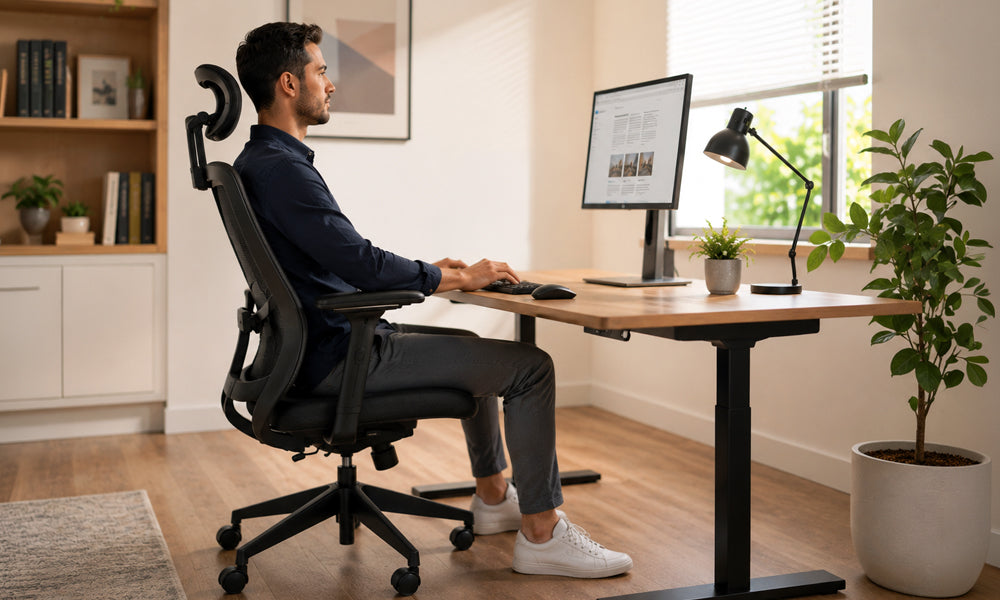
Ergonomic Improvements
Workstation modifications may help minimise strain.
These include:
· Adjusting monitor height to eye level
· Using supportive seating
· Maintaining relaxed shoulders
· Positioning keyboards appropriately
Pain Management
Depending on the clinical scenario, healthcare professionals may recommend:
· Heat therapy for muscle relaxation
· Cold therapy during acute flare-ups
· Temporary activity modification
· Appropriate medications when indicated
Lifestyle Interventions
Regular physical activity contributes to musculoskeletal resilience and overall well-being.
Activities such as walking, yoga, swimming, and resistance training may support better posture and muscle endurance.
Prevention Tips
Preventing text neck requires consistent attention to posture and daily habits.
Follow the 30–30 Rule
Every 30 minutes, take a brief movement break lasting at least 30 seconds.
Raise Devices to Eye Level
Minimise forward neck bending during smartphone or tablet use.
Optimise Your Workspace
Ensure screens are positioned directly in front of you at an appropriate height.
Practise Good Posture
Maintain alignment between the ears, shoulders, and hips.
Strengthen Supporting Muscles
Regular exercise targeting the neck, shoulders, and upper back may improve postural endurance.
Limit Recreational Screen Time
Balancing screen-based activities with physical movement is beneficial.
Stretch Regularly
Gentle stretching may reduce muscular tension and maintain flexibility.
Frequently Asked Questions
1. What is the main cause of text neck?
The primary cause is prolonged forward head posture during smartphone, tablet, or computer use.
2. Can text neck become permanent?
Many individuals improve with early intervention. However, longstanding poor posture may contribute to chronic discomfort and postural adaptations.
3. Can children develop text neck?
Yes. Increased screen exposure among children and adolescents has contributed to a rise in posture-related complaints.
4. Can text neck cause headaches?
Yes. Muscle tension originating in the neck and shoulders may trigger tension-type headaches.
5. How long does recovery take?
Recovery varies depending on symptom severity, duration, and adherence to recommended interventions.
6. Is exercise beneficial for text neck?
Yes. Appropriate strengthening and stretching exercises may support posture correction and symptom improvement.
7. Can text neck be prevented?
Many cases may be prevented through ergonomic awareness, regular movement, and healthy screen-use habits.
Healthcare Disclaimer:
This article is intended for educational and informational purposes only and should not be considered a substitute for professional medical advice, diagnosis, or treatment. Individuals experiencing persistent, worsening, or unexplained symptoms should consult a qualified healthcare professional for personalised assessment and management.


 Ask Our Experts
 Live Video Shopping
 Shop on call
